

Hypersonics
Advancing high-speed capabilities through materials, modeling, and survivability in extreme environments.
Hypersonics is a critical national security domain
Focused on systems operating at speeds greater than Mach 5, where extreme aerodynamic forces, intense heating and compressed decision timelines create some of the most difficult engineering challenges in modern defense.
These systems require integrated advances across aerodynamics, propulsion, guidance and control, materials, thermal protection, testing, modeling and survivability.
Hypersonics is a Strategic Imperative Tied to Defense
Hypersonics has evolved beyond a simple technological focus; it is a strategic imperative tied to deterrence, missile defense, rapid strike, advanced aerospace systems and the ability to operate in contested environments. Vehicles must maintain stability and maneuverability under extreme aerodynamic loads, survive severe thermal environments, communicate through degraded conditions and perform reliably across highly dynamic flight regimes. These challenges require deep research capacity and close alignment between scientific discovery, engineering development and mission application.

University of Arizona's Hypersonics Strengths
The University of Arizona's relevant strengths include aerospace and mechanical engineering, materials science, thermal protection, computational modeling, diagnostics, secure data environments and advanced testing approaches. Faculty and laboratory expertise in high-temperature materials, fluid dynamics, simulation, sensing and system characterization can contribute directly to the research gaps that limit hypersonic performance and operational reliability.
KINS's role is to connect national security requirements with these university capabilities, identify contractable opportunities, shape partnerships and support secure program execution — helping position the University of Arizona to contribute meaningfully to one of the most technically demanding areas of defense modernization.

GNC and propulsion for hypersonic systems

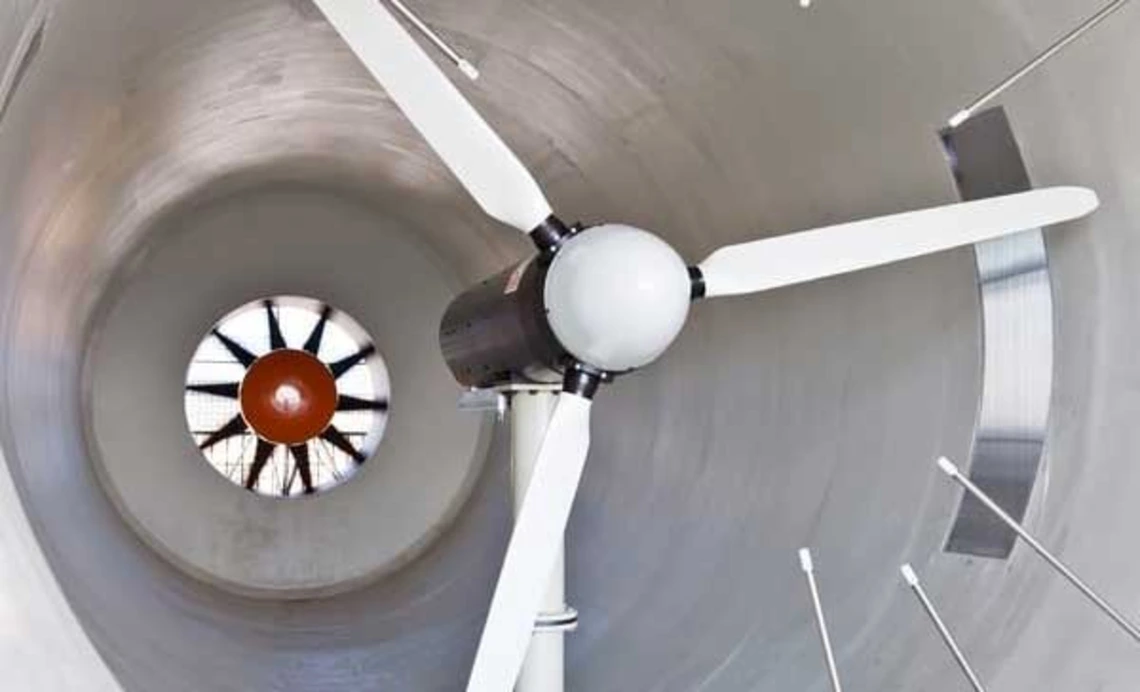
Ground testing in wind tunnels up to Mach 5
